
Explosion Protection
Services
Industrial facilities that handle flammable gases, vapors, mists, dusts, or combustible materials are at constant risk of explosions. A single ignition source in the wrong environment can lead to catastrophic events with severe human, financial, and operational consequences.
BGMC provides Explosion Protection Inspection Services to help organizations evaluate, verify, and maintain compliance of their equipment, installations, and operational systems within hazardous areas (Ex zones). Our inspections align with ATEX, IECEx, ISO/IEC 17020 principles, and internationally recognized explosion safety standards.

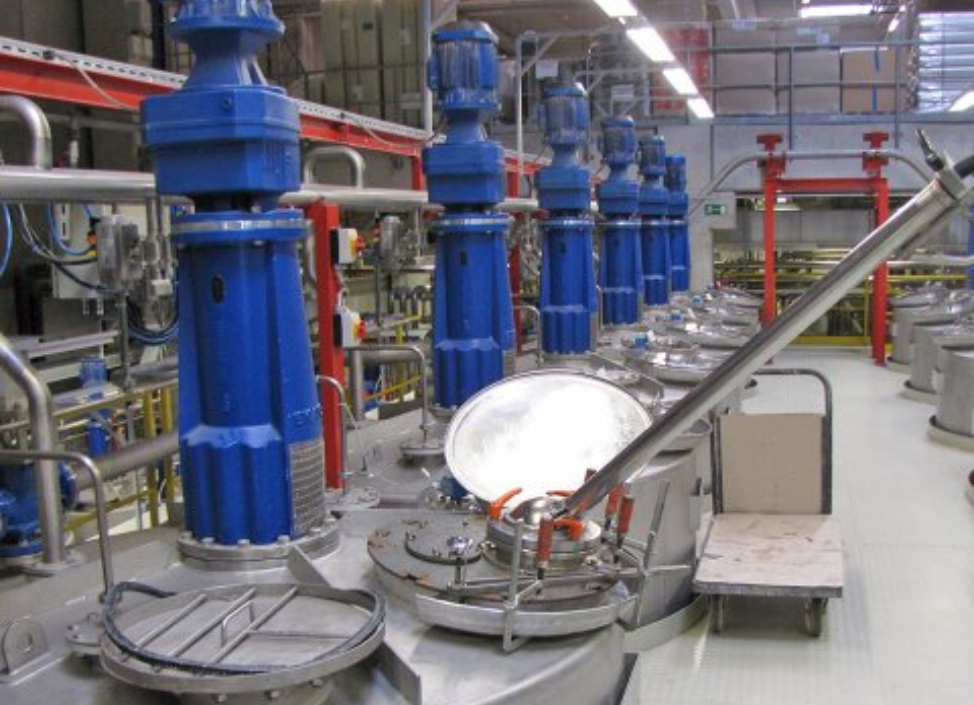

Why Explosion Protection Is Critical
Explosion risks can arise from:
Flammable gases or vapors
Combustible dusts or fibers
Static electricity
Electrical sparks
Hot surfaces
Improper equipment selection
Inadequate maintenance
Poor grounding/bonding systems
Leaks, spills, or inadequate ventilation
Without proper inspection and protection measures, facilities face:
❌ Risk of fire and explosion
❌ Fatalities and severe injuries
❌ Total equipment and facility damage
❌ Legal and regulatory penalties
❌ Shutdowns and production losses
❌ Insurance claim rejection
Our Inspection Services
Scope of BGMC Explosion Protection Inspection Services
The scope of BGMC’s Explosion Protection Inspection Services includes assessing equipment, electrical systems, and hazardous areas to ensure compliance with explosion protection standards, verify safe installation, and reduce ignition risks in potentially explosive environments.
Hazardous Area Classification
We verify the accuracy and compliance of hazardous area classifications, including Zones 0, 1, and 2 for gases and vapors, and Zones 20, 21, and 22 for dusts. Our assessment covers ignition source identification, gas group and temperature class evaluation, and review of area classification drawings and documentation. This ensures hazardous zones are correctly defined in accordance with ATEX and IEC standards.
Explosion-Proof (Ex) Equipment Inspection
We inspect equipment installed in hazardous areas to verify correct Ex marking, suitability for the designated zone, IP rating compliance, and proper temperature class. This includes checking flameproof enclosures, intrinsic safety barriers, and ensuring correct installation and grounding practices. Our inspections cover both electrical and non-electrical Ex equipment to ensure full compliance with explosion protection requirements.
Initial, Periodic & Detailed Inspections
Initial inspections verify that equipment meets design and safety standards before energization, while periodic inspections check for wear, corrosion, modifications, and system integrity. Detailed inspections closely assess cable glands, junction boxes, flamepaths, grounding, intrinsic safety circuits, and mechanical protections to ensure compliance with IEC 60079-17.
Assessment of Electrical Installations in Hazardous Areas
Our inspections cover Ex lighting systems, motors and control panels, switchgear and distribution boards, emergency shutdown systems, cabling and conduit integrity, and earthing and bonding arrangements, along with overall installation workmanship. These evaluations ensure that equipment remains safe and does not become a potential ignition source in hazardous areas.
Mechanical Explosion Protection Assessment
We inspect mechanical equipment that may act as potential ignition sources, including bearings and rotating machinery, frictional heating points, belt drives, pumps, compressors, and agitators. We also verify non-electrical Ex compliance in accordance with ISO/TC 31 standards. This helps safeguard plants that operate equipment where mechanical sparks or hot surfaces could pose an explosion risk.
Ventilation, Gas Detection & Safety Systems Review
We evaluate ventilation effectiveness, gas and dust sensor calibration, emergency shutdown interlocks, alarm systems, pressure zoning, and emergency relief systems. These checks are critical for preventing the buildup of explosive atmospheres and ensuring safe operation in hazardous areas.
Why Choose BGMC for Explosion Protection Inspection?



ISO/IEC 17020–aligned methodology
Certified Ex inspectors (IECEx / CompEx)
Integrated services
IEC 60079 series
Oil & Gas
Sample Use Cases
How It Works
Case 1 – Hazardous Area Classification for Gas Plant
BGMC conducted a full ATEX/IEC-based hazardous area classification, verified Zone 0/1/2 boundaries, reviewed ignition sources, and updated area classification drawings. The plant achieved compliance and strengthened safety controls for explosive atmospheres.
Case 2 – Ex Equipment Compliance Audit for Manufacturing Facility
We inspected all Ex motors, lighting systems, junction boxes, and control panels for correct Ex marking, installation quality, grounding, and temperature class compliance. BGMC identified non-conformities and guided the facility toward full IEC 60079-17 compliance.
Case 3 – Mechanical Ignition Risk Assessment for Chemical Processing Skid
BGMC performed a detailed inspection of rotating machinery, belt drives, pumps, and compressors to assess mechanical ignition risks. We validated non-electrical Ex compliance per ISO/TC 31 and provided corrective actions to prevent spark or hot-surface hazards.
successful projects & satisfied customers.
Ready to Transform Your Business Operations?
Partner with our experts to improve efficiency, ensure compliance, and accelerate your digital transformation journey.
Whether you are looking to implement Lean Six Sigma practices, achieve ISO certifications, improve inspection and safety standards, or build a future-ready organization, our team provides practical, results-driven solutions tailored to your industry.
Our consultants bring deep expertise in operational excellence, quality management systems, risk assessment, and workforce development to help your organization achieve sustainable growth.
What You Get
- Expert consultation tailored to your industry
- ISO certification guidance and auditing support
- Lean Six Sigma process optimization
- Inspection, safety & compliance solutions
- Digital transformation advisory
Call To Action Text
Ready to Transform Your Business Operations?
Partner with our experts to improve efficiency, ensure compliance, and accelerate your digital transformation journey.
Whether you are looking to implement Lean Six Sigma practices, achieve ISO certifications, improve inspection and safety standards, or build a future-ready organization, our team provides practical, results-driven solutions tailored to your industry.
Our consultants bring deep expertise in operational excellence, quality management systems, risk assessment, and workforce development to help your organization achieve sustainable growth.
What You Get
- Expert consultation tailored to your industry
- ISO certification guidance and auditing support
- Lean Six Sigma process optimization
- Inspection, safety & compliance solutions
- Digital transformation advisory