
Risk-Based
Inspection (RBI)
BGMC provides comprehensive Risk-Based Inspection (RBI) services designed to help organizations identify, evaluate, and manage risks associated with static equipment, piping systems, pressure vessels, storage tanks, boilers, heat exchangers, and other critical assets.
Using methodologies aligned with API 580 / API 581, combined with BGMC’s technical expertise and ISO/IEC 17020–based inspection framework, we support organizations in optimizing inspection intervals, reducing unplanned failures, increasing plant reliability, and strengthening regulatory compliance.


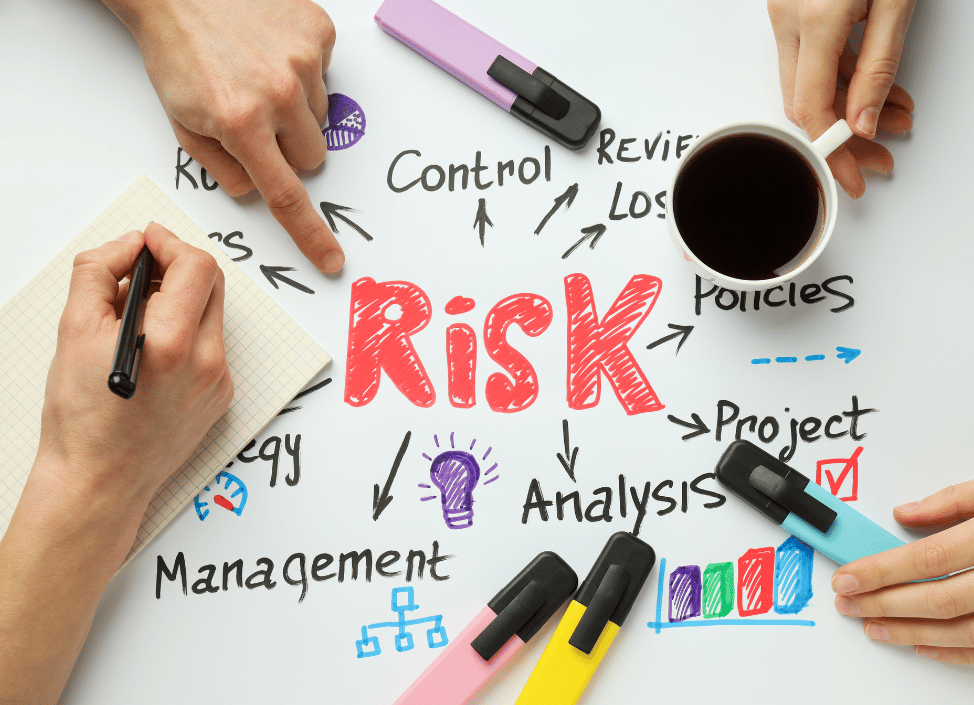
Why RBI Is Essential for Modern Industrial Operations
Companies today face increasing pressures related to:
Asset degradation, corrosion, and process-induced deterioration
Rising maintenance costs and unplanned shutdown losses
Safety risks to personnel and the environment
Strict regulatory, insurance, and client compliance requirements
Complex operations requiring strategic inspection prioritization
RBI shifts the inspection philosophy from “inspect everything on a fixed interval” to “inspect based on probability & consequence of failure”, enabling smarter, safer, and more cost-effective asset management.
Our Inspection Services
What Makes BGMC’s RBI Framework Effective?
BGMC’s RBI model is built on API 580/581 best practices, ISO/IEC 17020 inspection body methodologies, and strong multidisciplinary engineering insight. It combines both quantitative and qualitative assessment techniques while leveraging Industry 4.0 data where applicable. Our approach unifies process safety, materials engineering, corrosion science, mechanical integrity, and inspection planning into a single, integrated risk management strategy.
Asset Data Collection & Verification
We gather and validate all essential information, including equipment design data, material and corrosion details, process conditions, operational and inspection history, drawings, failure events with root causes, and maintenance records. This comprehensive dataset forms a high-quality foundation for accurate and reliable RBI analysis.
Damage Mechanism Identification
Our specialists assess all major deterioration mechanisms, including corrosion types such as general, localized, pitting, and SCC, as well as metallurgical issues like creep, embrittlement, and fatigue. They also evaluate mechanical damage from wear, vibration, and erosion, along with environmental and operational factors. This thorough identification ensures an accurate and reliable estimation of the probability of failure (PoF).
Probability of Failure (PoF) Assessment
We determine the likelihood of failure by evaluating condition assessments, remaining life calculations, corrosion rate models, historical performance, material suitability, and the operating envelope. These inputs are combined to calculate a Probability of Failure (PoF) value, enabling assets to be ranked clearly according to their deterioration risk.
Consequence of Failure (CoF) Analysis
We assess the potential consequences of asset failure by examining impacts on personnel safety, the environment, production continuity, regulatory compliance, repair or replacement costs, and overall business interruption. This comprehensive Consequence of Failure (CoF) evaluation enables strategic risk prioritization across all critical assets.
Risk Ranking & Risk Matrix Development
Using PoF × CoF matrices, BGMC categorizes assets into low, medium, high, and critical risk levels. This structured classification provides a clear view of asset vulnerability and forms the core foundation of the RBI roadmap, guiding all subsequent inspection and maintenance priorities.
RBI-Based Inspection Planning
We develop optimized inspection strategies that define suitable inspection intervals, select the right methods such as UT, PAUT, TOFD, visual or API inspections, and recommend intrusive or non-intrusive approaches. These plans also integrate shutdown and turnaround requirements, prioritize critical assets, and specify risk-mitigation measures. This structured approach reduces unnecessary inspections while ensuring safety, reliability, and asset integrity.
BGMC Advantage – Why Industry Leaders Choose Us


Each RBI engagement includes:
Sample Use Cases
How It Works
Case 1 — Refinery Pressure Equipment RBI
BGMC developed an RBI program for 500+ pressure equipment items, reducing inspection costs by 22% while increasing compliance visibility.
Case 2 — Storage Tank Farm RBI
RBI extended tank inspection intervals, resulting in optimized maintenance schedules and reduced downtime.
Case 3 — Chemical Plant Piping RBI
Probability of failure modeling allowed targeted NDT activities, catching corrosion risks early.
successful projects & satisfied customers.
Ready to Transform Your Business Operations?
Partner with our experts to improve efficiency, ensure compliance, and accelerate your digital transformation journey.
Whether you are looking to implement Lean Six Sigma practices, achieve ISO certifications, improve inspection and safety standards, or build a future-ready organization, our team provides practical, results-driven solutions tailored to your industry.
Our consultants bring deep expertise in operational excellence, quality management systems, risk assessment, and workforce development to help your organization achieve sustainable growth.
What You Get
- Expert consultation tailored to your industry
- ISO certification guidance and auditing support
- Lean Six Sigma process optimization
- Inspection, safety & compliance solutions
- Digital transformation advisory
Call To Action Text
Ready to Transform Your Business Operations?
Partner with our experts to improve efficiency, ensure compliance, and accelerate your digital transformation journey.
Whether you are looking to implement Lean Six Sigma practices, achieve ISO certifications, improve inspection and safety standards, or build a future-ready organization, our team provides practical, results-driven solutions tailored to your industry.
Our consultants bring deep expertise in operational excellence, quality management systems, risk assessment, and workforce development to help your organization achieve sustainable growth.
What You Get
- Expert consultation tailored to your industry
- ISO certification guidance and auditing support
- Lean Six Sigma process optimization
- Inspection, safety & compliance solutions
- Digital transformation advisory