
Lifting equipment & accessories
Lifting operations involve some of the highest-risk activities in industrial, construction, and logistics environments. Failures of cranes, hoists, slings, shackles, hooks, and rigging gear can cause severe accidents, production stoppages, costly damage, and regulatory penalties.
BGMC provides independent, third-party inspection and certification of lifting equipment and lifting accessories to help organizations maintain safe lifting practices, achieve compliance, and prevent incidents. Our inspections are conducted in accordance with ISO/IEC 17020 principles, international lifting standards, and client-specific requirements.

Why Lifting Equipment Inspection Is Essential
Lifting equipment deteriorates due to:
Overloading
Wear and tear
Corrosion
Misuse or improper rigging
Mechanical failure
Fatigue and deformation
Without periodic inspection:
❌ Equipment failures may cause serious injuries
❌ Loads may drop unexpectedly
❌ Structural failures or wire rope snapping may occur
❌ Legal and insurance compliance may be compromised
❌ Project delays and financial losses increase
Our Inspection Services
Scope of BGMC Lifting Equipment & Accessories Inspection
The scope of BGMC’s Lifting Equipment & Accessories Inspection includes assessing the condition, safety, and compliance of lifting machines and accessories to ensure safe operation, prevent failures, and meet regulatory and industry standards.
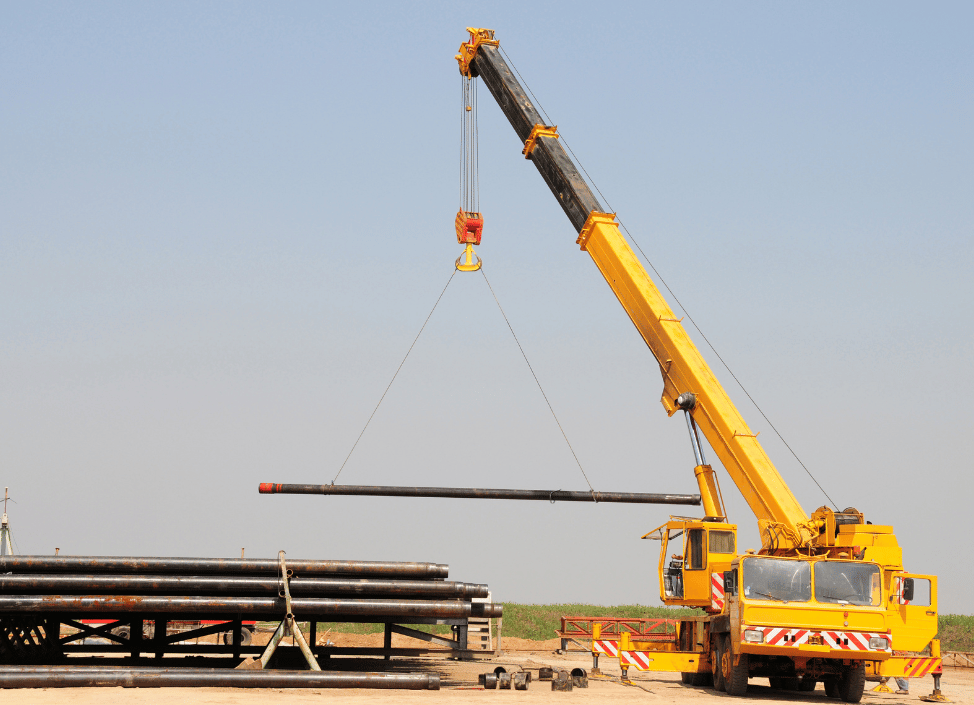
Mobile Cranes
We assess lifting equipment through structural integrity checks, inspection of booms, jibs, and hook blocks, verification of outriggers and leveling systems, evaluation of load indicators and limit switches, wire rope condition assessments, and hydraulic system checks to ensure safe and compliant operation.
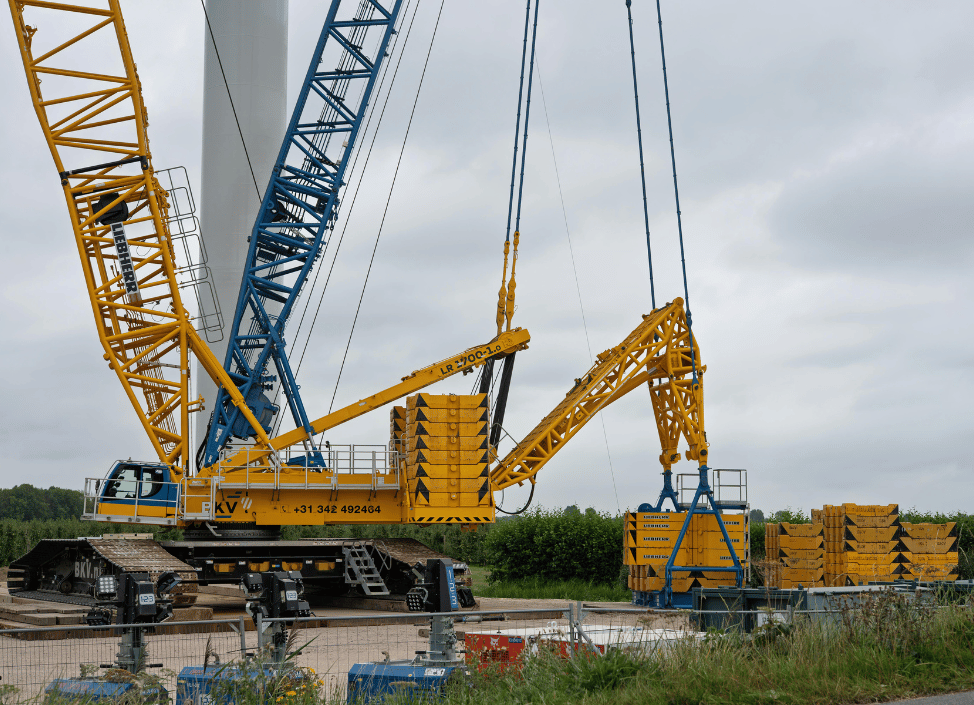
Overhead Cranes & Gantry Cranes
We inspect overhead cranes by verifying trolley and bridge alignment, checking rail conditions and end stops, assessing hoist mechanisms, examining electrical panels and brakes, and testing limit switches and other safety devices to ensure reliable and safe operation.
Forklifts & Telehandlers
We evaluate forklifts by inspecting the mast, carriage, and forks; assessing hydraulic systems; checking tyres, brakes, and steering; verifying safety alarms and seatbelts; and ensuring all operator controls function properly for safe and efficient use.
Hoists & Winches
We assess hoists by checking chain and rope health, evaluating gearbox condition, verifying brake performance, measuring load chain stretch, and identifying any deformation in lifting hooks to ensure safe and reliable operation.
MEWPs
We inspect MEWPs by evaluating platform and guardrail integrity, testing emergency lowering systems, assessing hydraulic components, and performing stability checks to ensure safe operation at height.
Inspection of Lifting Accessories
Inspection of lifting accessories includes evaluating slings, shackles, hooks, eye bolts, chain blocks, wire ropes, and other rigging components for wear, deformation, corrosion, cracks, and load-rating compliance. This ensures accessories remain safe, reliable, and fit for lifting operations.
Industry Sectors Using BGMC Lifting & Rigging Inspection Services

Corroded or thinned chains
Hook deformation or twist
Cracked welded joints
Ineffective brakes
Faulty limit switches
Oil & Gas
Manufacturing
Logistics & Warehousing
Marine & Ports
Utilities & Power
Sample Use Cases
How It Works
Scenario 1 – Construction Crane Safety Program
BGMC conducted functional safety checks and load testing for tower cranes, improving site safety and passing regulatory checks.
Scenario 2 – Warehouse Equipment Compliance
Forklift inspections and operator training reduced incident rates and improved maintenance cycles.
Scenario 3 – Industrial Machine Safety Audit
A manufacturing plant required third-party verification to meet client audit criteria; BGMC ensured compliance and operational readiness.
successful projects & satisfied customers.
Ready to Transform Your Business Operations?
Partner with our experts to improve efficiency, ensure compliance, and accelerate your digital transformation journey.
Whether you are looking to implement Lean Six Sigma practices, achieve ISO certifications, improve inspection and safety standards, or build a future-ready organization, our team provides practical, results-driven solutions tailored to your industry.
Our consultants bring deep expertise in operational excellence, quality management systems, risk assessment, and workforce development to help your organization achieve sustainable growth.
What You Get
- Expert consultation tailored to your industry
- ISO certification guidance and auditing support
- Lean Six Sigma process optimization
- Inspection, safety & compliance solutions
- Digital transformation advisory
Call To Action Text
Ready to Transform Your Business Operations?
Partner with our experts to improve efficiency, ensure compliance, and accelerate your digital transformation journey.
Whether you are looking to implement Lean Six Sigma practices, achieve ISO certifications, improve inspection and safety standards, or build a future-ready organization, our team provides practical, results-driven solutions tailored to your industry.
Our consultants bring deep expertise in operational excellence, quality management systems, risk assessment, and workforce development to help your organization achieve sustainable growth.
What You Get
- Expert consultation tailored to your industry
- ISO certification guidance and auditing support
- Lean Six Sigma process optimization
- Inspection, safety & compliance solutions
- Digital transformation advisory